


 01
01A Full Cubic Meter to Build
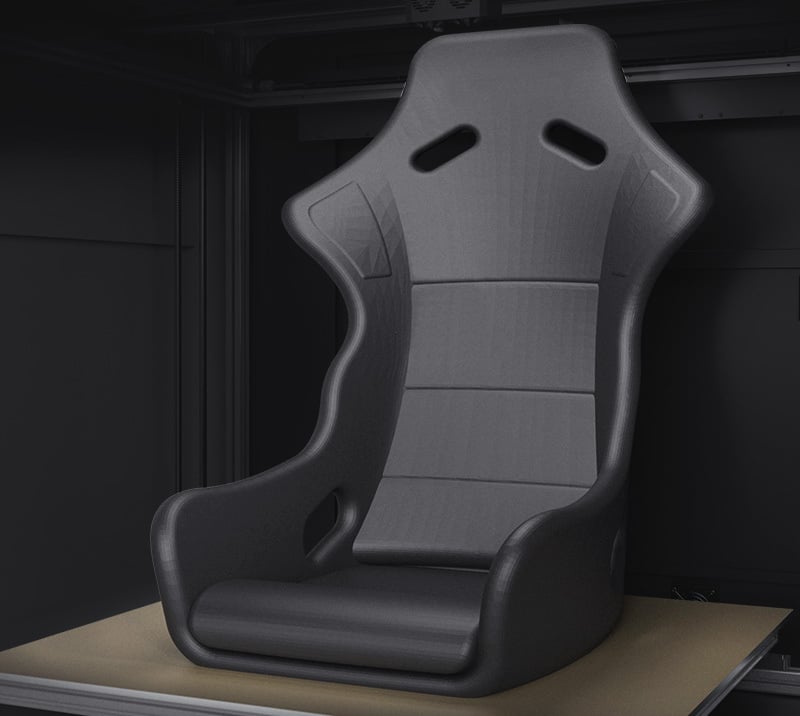
Develop larger designs with fewer split sections and joints. Evaluate full-size models, enclosures and tooling before committing to production.



Bring full-size prototypes, factory fixtures and large complex components into your workflow. The MD-1000D combines a one-cubic-meter build volume with dual extrusion for model and support materials.
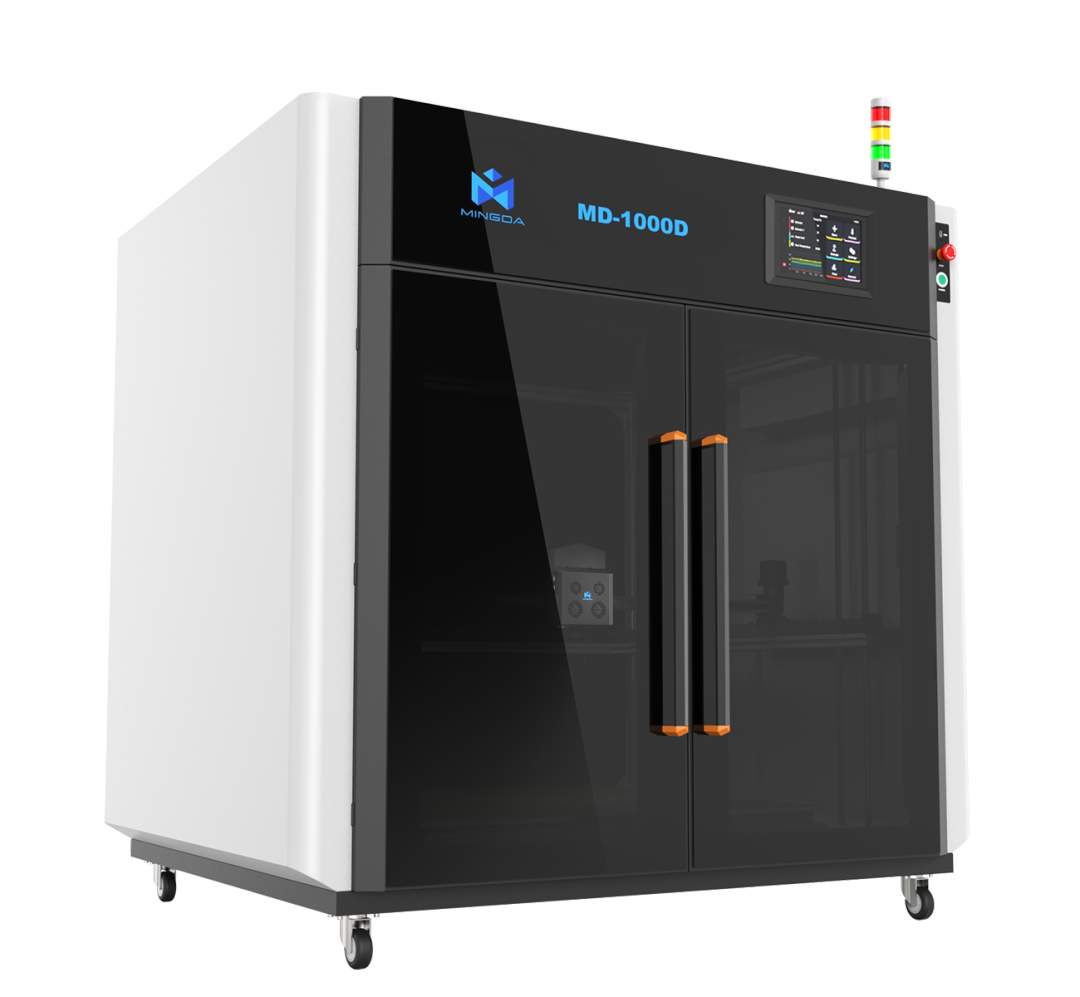
From early design checks to manufacturing aids, choose a process that fits the part.
01Develop larger designs with fewer split sections and joints. Evaluate full-size models, enclosures and tooling before committing to production.
 02
02Use a second material for supports. Plan overhangs, internal features and support removal around the part you need to make.
 03
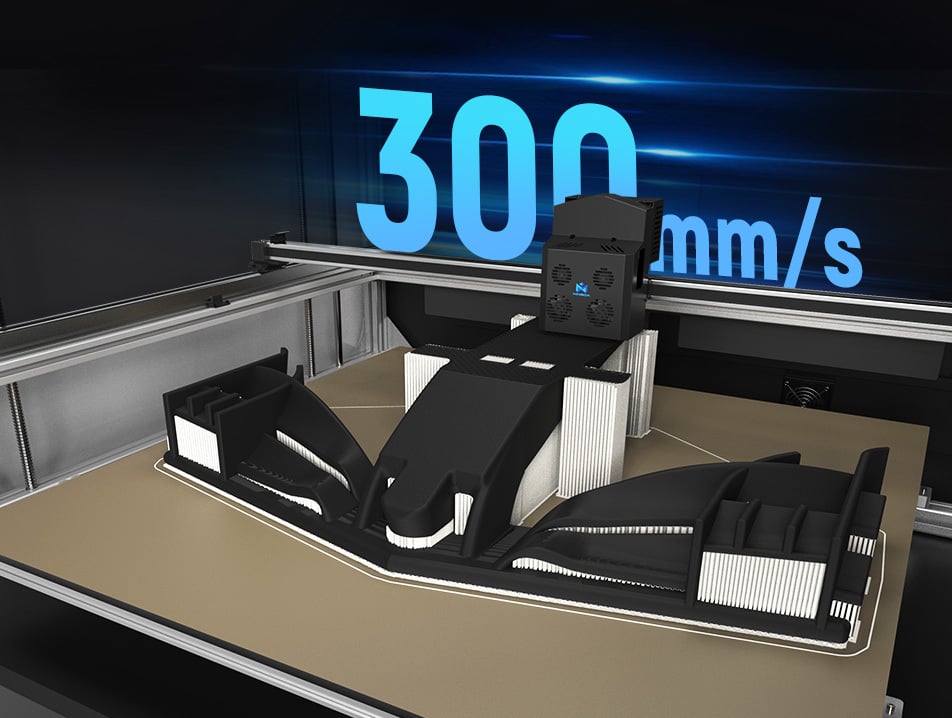
03Spend less time waiting between design changes. Match speed to the material, geometry and surface finish your application requires.
 04
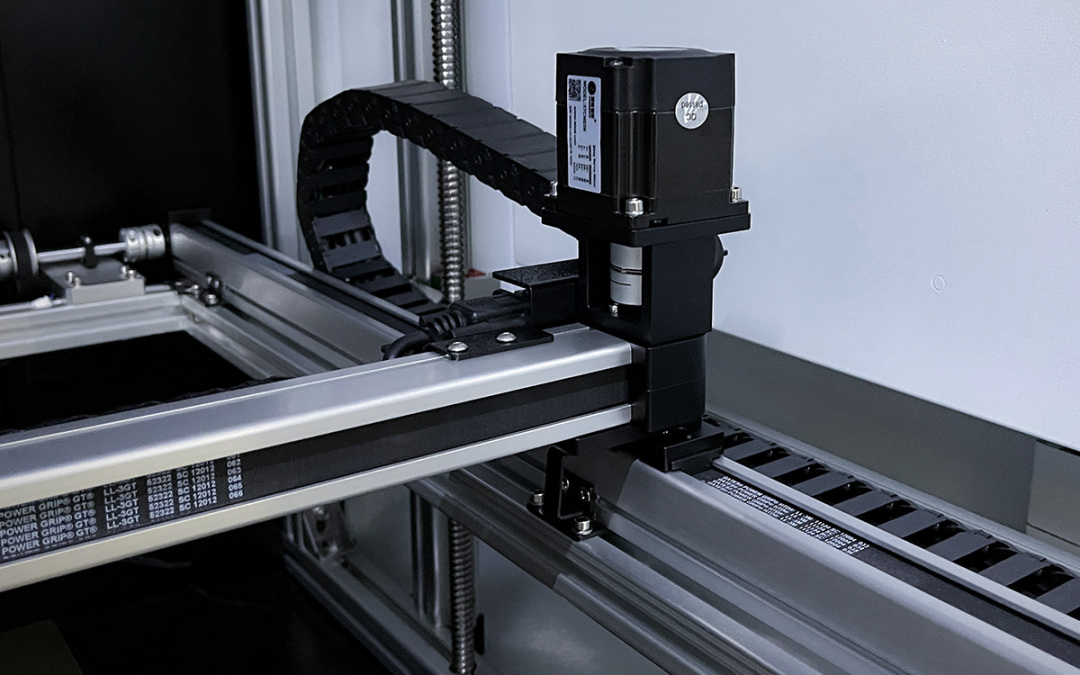
04HIWIN linear rails and closed-loop motors support consistent movement. Build a repeatable process around validated print settings.
 05
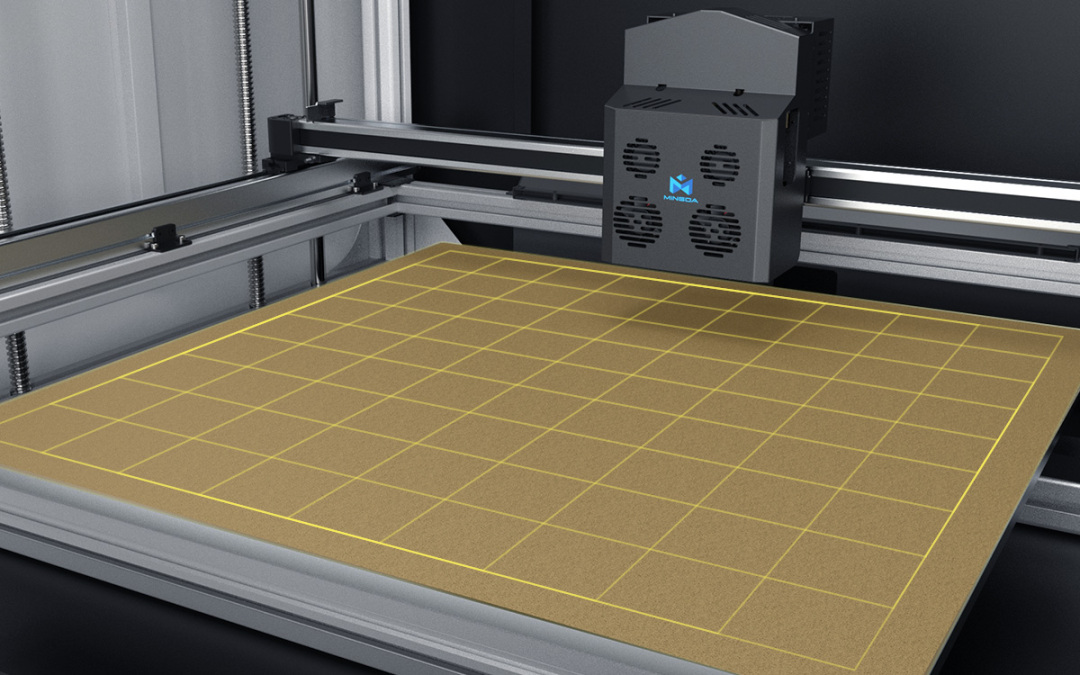
05Automatic leveling helps streamline preparation. Start long print jobs with a consistent setup routine.
 06
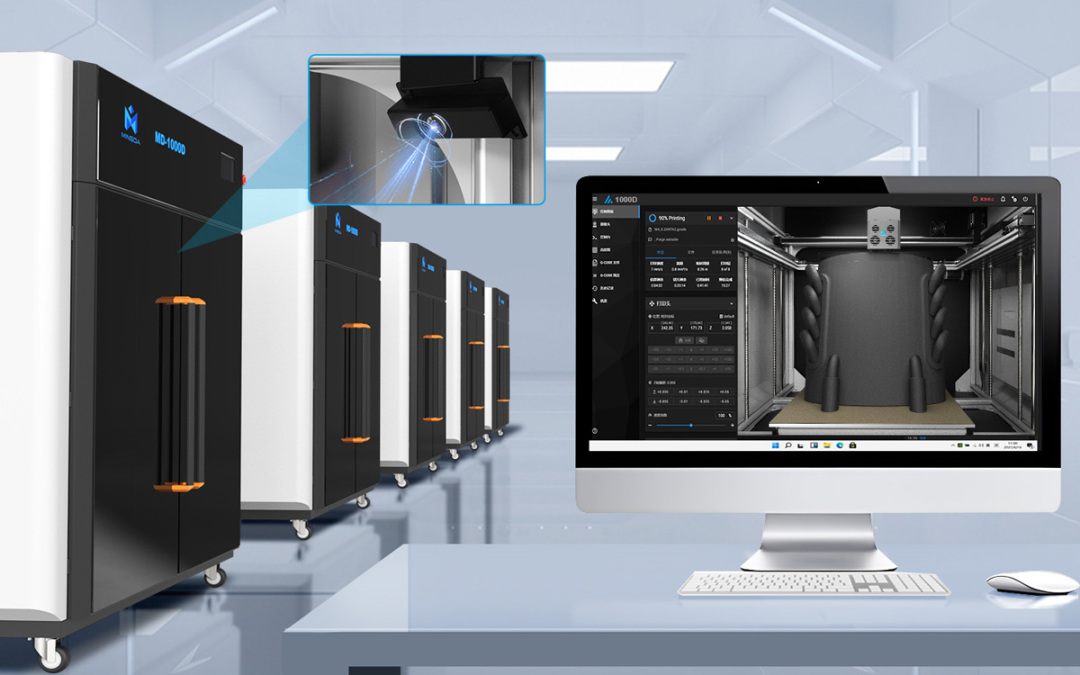
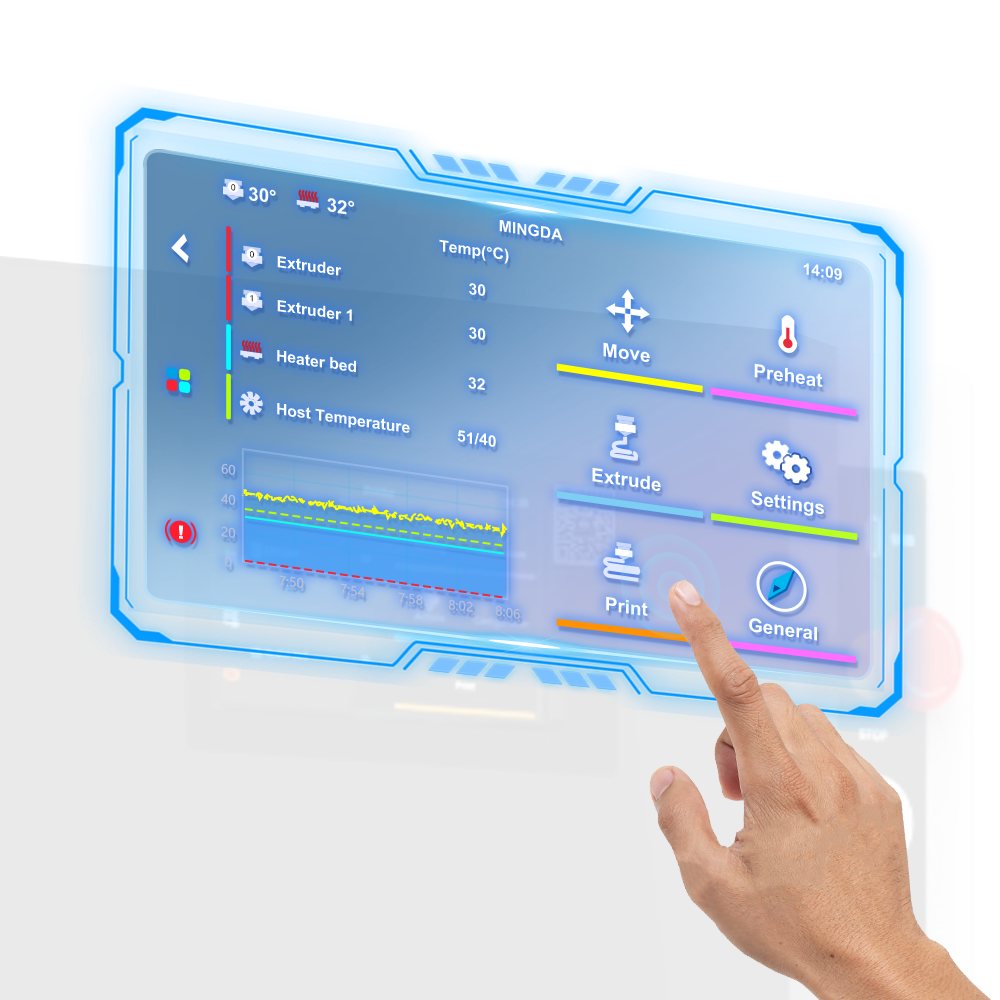
06Monitor and manage printing remotely over your network. Keep an eye on progress while your team works on the next design.
Select a workflow around strength, appearance and support removal.
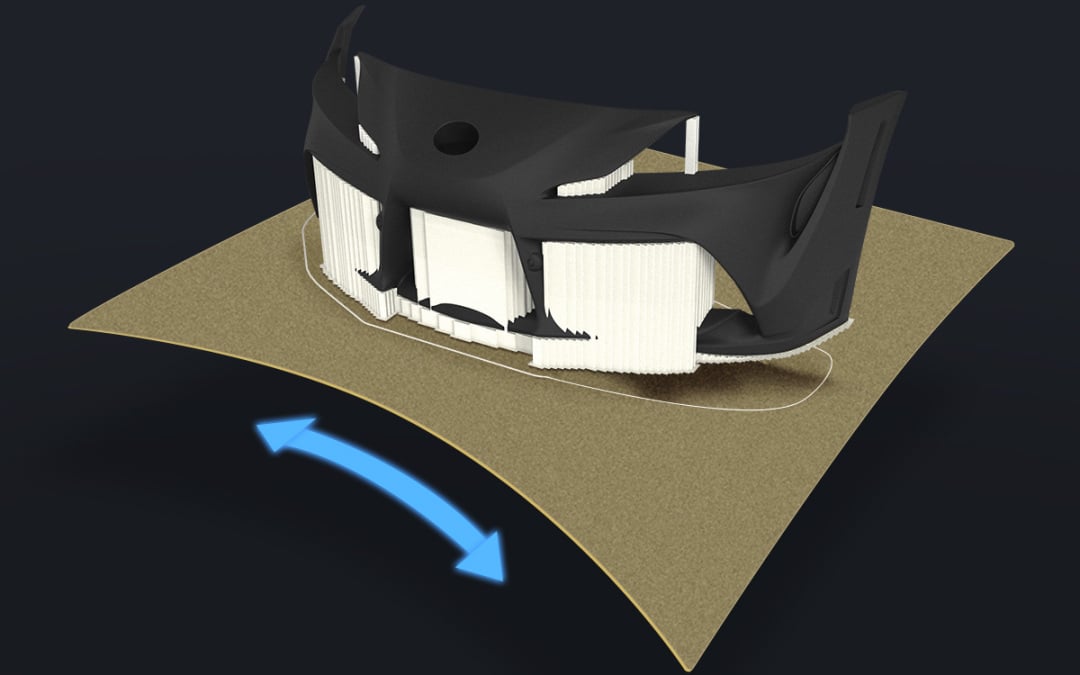
Consider how the part will be supported, removed, finished and inspected. Rapid Scan 3D can help you evaluate the complete workflow before selecting your printer configuration.
Discuss stiffness, temperature exposure, surface finish and support strategy with Rapid Scan 3D.
Manufacturer-listed materials. Suitability depends on the filament grade, nozzle, drying and process settings. Confirm your intended material and application before purchase.
| Technology | FDM; dual extrusion |
|---|---|
| Build volume | 1000 × 1000 × 1000 mm |
| Standard nozzle | 0.6 mm; optional 0.4 / 0.8 mm |
| Filament diameter | 1.75 mm |
| Layer height | 0.30–0.36 mm with standard nozzle |
| Maximum nozzle / bed temperature | 350°C / 110°C |
| Chamber temperature | 45°C listed by manufacturer |
| Maximum print speed | 300 mm/s |
| Recommended example speeds | PLA 200; PETG 180; PET-CF 100 mm/s |
| Power supply | 220V, 50/60Hz; maximum 3100W |
| Connectivity | WiFi, Ethernet, USB |
| Display | 10-inch color touchscreen |
| Software / firmware | MINGDA slicer software / Klipper |
| Build platform | 10 mm aluminum plate, magnetic PEI surface |
| Leveling | Automatic |
| Motion system | Closed-loop control; linear rails |
| Monitoring and recovery | Remote monitoring; filament detection; power-loss recovery |
| Safety features | Emergency stop; three-color warning light |
| Filament storage | Two 3 kg rolls; auxiliary feeding; moisture-resistant compartment |
| Machine dimensions | 1710 × 1365 × 1665 mm |
| Package dimensions | 1980 × 1630 × 1920 mm |
| Packaged weight | 654.5 kg |
Confirm delivery access, floor space and installation requirements before ordering. Actual printing speed depends on the application. View manufacturer specifications.
Share your largest part, preferred materials and expected workload. We can help you assess the MD-1000D for your shop and identify the questions to resolve before installation.
Start with your parts and production goals. Get help evaluating the right machine for the work you actually do.
Discuss how additive manufacturing fits alongside 3D scanning, reverse engineering and inspection.
Request current pricing and availability, then review configuration and support options before moving forward.
Tell us what you want to build. Request MD-1000D pricing and discuss the materials, setup and workflow that fit your application.
| Model | KSCAN-E | |
|---|---|---|
| MD-1000D | Ultra-fast scanning | 108 blue laser lines (Quad Cross Technology) |
| Hyperfine scanning | 17 blue parallel laser lines | |
| Large area scanning | 19 infrared laser crosses | |
| Deep hole scanning | 1 extra blue laser line | |
| Hole & edge scanning | Smart edge inspection | |
| Photogrammetry | Adaptive photogrammetry | |
| 1680 * 1365 * 1665 mm | 0.020 mm | |
| Extruder Type | Standard | 0.015 mm + 0.030 mm/m |
| Integrated photogrammetry (2) | 0.015 mm + 0.015 mm/m | |
| Paired with MSCAN-L15 | 0.015 mm + 0.012 mm/m | |
| 0.8mm (0.4, 0.6 optional) | optional) | 0.030 mm |
| Flatness | 0.050 mm | |
| ≤350°C (Recommended temperature ≤320 ℃) | 8,290,000 measurements/s | |
| Platform Temperature | 1440 mm × 1000 mm | |
| ≤110°C | Large area scanning | 600 mm~1500 mm (Stand-off distance 900 mm) |
| Ultra-fast scanning | 200 mm~700 mm (Stand-off distance 320 mm) | |
| Hyperfine scanning | 150 mm~300 mm (Stand-off distance 220 mm) | |
| Max Print Speed | 0.05 m ~ 8 m | |
| 300mm/s (Recommend Printing Speed: (PLA)200mm/s; (PETG)180mm/s; (PET-CF)100mm/s ) | ClassⅡ (eye-safe) | |
| Support Software | 0.010 mm | |
| MingDa Slicer | 344 mm × 124 mm × 99 mm | |
| Display Screen | Interface mode | USB3.0 Type-B |
| Wireless standard | Wi-Fi 6,802.11a/b/g/n/ac | |
| Wireless connection | Support Dual WNIC | |
| Intelligent and wireless mode | Support | |
| Uninterrupted power supply | Support | |
| 3100W | Operating environment | Fanless, suitable for workshop environments |
| Operating temperature range | -10°C–40°C | |
| Operating humidity | 10-90% RH | |
| Protection rating | IP50 | |
| Common filament: | ||
| PLA, | PETG; | |
| Engineering filament: | ||
| PET-CF/GF, HtPA-CF/GF, HtPA-GF25/CF25; | HtPA-GF25/CF25; | |
| Support filament: | ||
| S-Mulit, S-HtPA, etc | ||
| Engineering filament: | ||
| PET-CF/GF, HtPA-CF/GF, ABS-GF25, HtPA-GF25/CF25; | ||
| Support filament: | ||
| S-Mulit, S-HtPA, PVA, etc | ||